
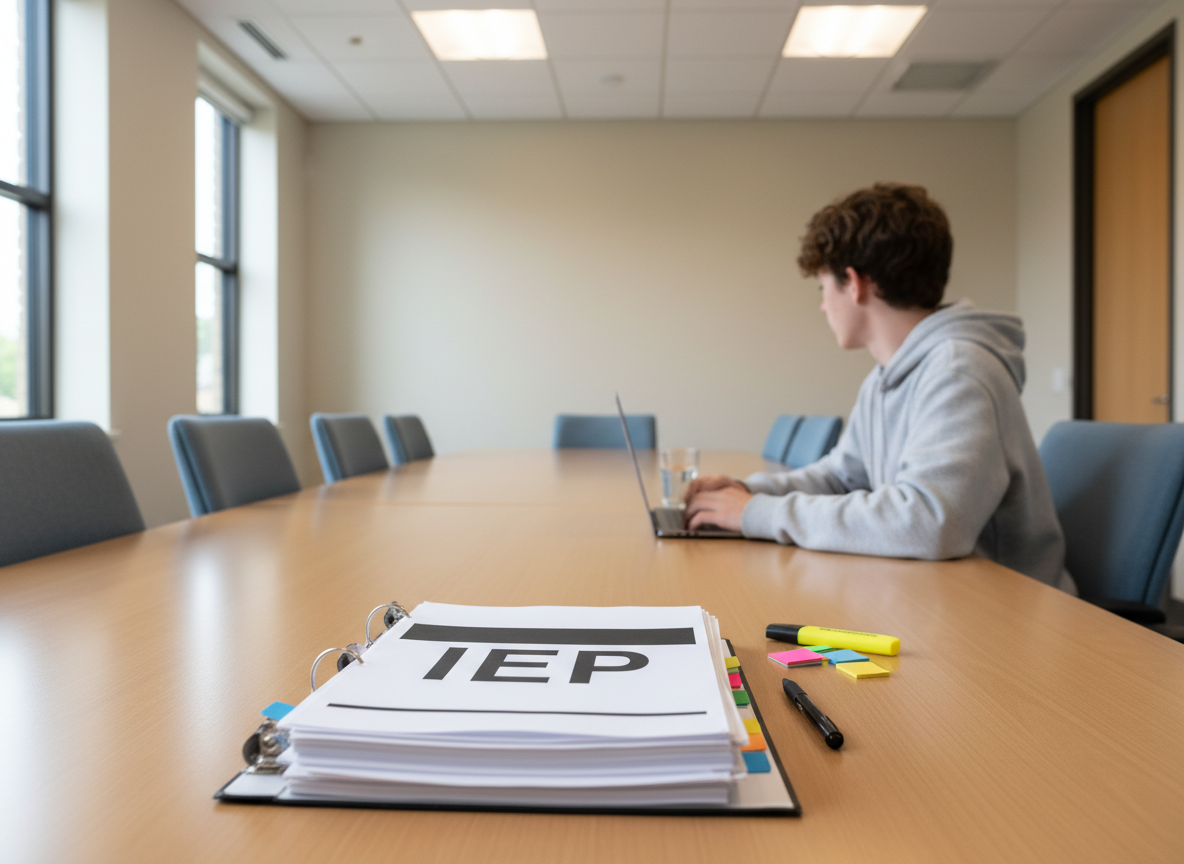

Special Education, IEP & Transition Planning
Special Education, IEP & Transition Planning is an objective, systems-level review designed to evaluate whether a student’s special education supports are functionally usable, coherent, and realistically aligned with the student’s needs and future goals. The focus is on how written plans translate into real educational access and practical skill development, especially as students approach the transition to postsecondary education, employment, and adult life.
This service is provided from the perspective of an educational access and transition consultant, not as an IEP decision-maker. It is non-diagnostic and does not make legal or compliance determinations.
What the service involves
A Special Education, IEP & Transition Planning review is typically completed in structured phases:
Referral clarification and scope definition
We begin by clarifying who retained the service (e.g., parent, guardian, attorney) and the purpose of the review (planning, meeting preparation, transition readiness, or dispute preparation). This step establishes clear boundaries and ensures the review remains focused on functional implementation.
Record review
Relevant educational records are reviewed to understand the student’s program and supports, which may include:
Current and prior IEPs
Evaluations and re-evaluations
Progress reports and goal data
Transition plans and related documentation (when applicable)
Academic and vocational records
Functional analysis (systems-level)
The review translates written supports into real-world use and identifies strengths and gaps across key domains, including:
IEP structure and clarity: Whether present levels, goals, and services are clearly connected and functionally understandable.
Functional access to instruction and supports: Whether accommodations and services are usable across settings and meaningfully support access to instruction.
Service-to-outcome alignment: Whether services are structured to build practical academic, vocational, and life skills and whether progress is realistically measurable.
Transition planning (ages 14+): Readiness for postsecondary education, employment preparation, independent living skill development, and linkage to adult/community supports.
Reporting
Findings are summarized in neutral, professional language. The report focuses on functional implications and practical alignment without directives to schools and without legal conclusions.
What you receive
Clients receive a professional written report that may include: - Purpose and scope of review - Records reviewed - Educational and functional overview - Analysis of IEP structure, service alignment, and functional access - Transition planning analysis (when applicable) - Summary of observed strengths, gaps, and functional implications - A scope limitations statement confirming the non-diagnostic, non-legal nature of the review.
What this service does not do
To maintain objectivity and clear professional boundaries, this service does not: - Determine special education eligibility - Provide diagnoses - Recommend educational placements - Make legal or compliance determinations under IDEA.
Who benefits from Special Education & Transition Planning
This service may be helpful for: - Parents and guardians who need clearer understanding of special education supports and transition planning - Students approaching transition age (typically 14+) who need realistic planning for adulthood - Attorneys seeking neutral, functional analysis for educational or family law contexts - Professionals involved in transition planning and coordination (education to adult services).
Special Education, IEP & Transition Planning provides clarity when plans are complex or unclear helping families and professionals understand whether supports are likely to work in practice and whether transition planning is realistic, implementable, and aligned with the student’s future goals.
Ready to get started?